UNOSU
Designing a preferable future towards technology sovereignty and space governance
Disclaimer: UNOSU is a fictional design artefact developed as part of a speculative futures project. It is not an official initiative of the United Nations, but a provocation aimed at inspiring critical dialogue about space governance and technological sovereignty. This project was delivered as part of my study at UAL.
Project Type
Service Design, Speculative Design
Year
2025
Origin
United Kingdom
Client / Collaborator
Centre for Sociodigital Futures - U of Bristol
Role
Designer, Researcher
The United Nations Outer Space Union (UNOSU) is a pioneering proposal for a new UN body dedicated to fostering peaceful and inclusive international cooperation in outer space. In an era where satellite access has become increasingly privatised and technologically stratified, UNOSU addresses the urgent need for equitable space governance through a comprehensive three-pillar approach:
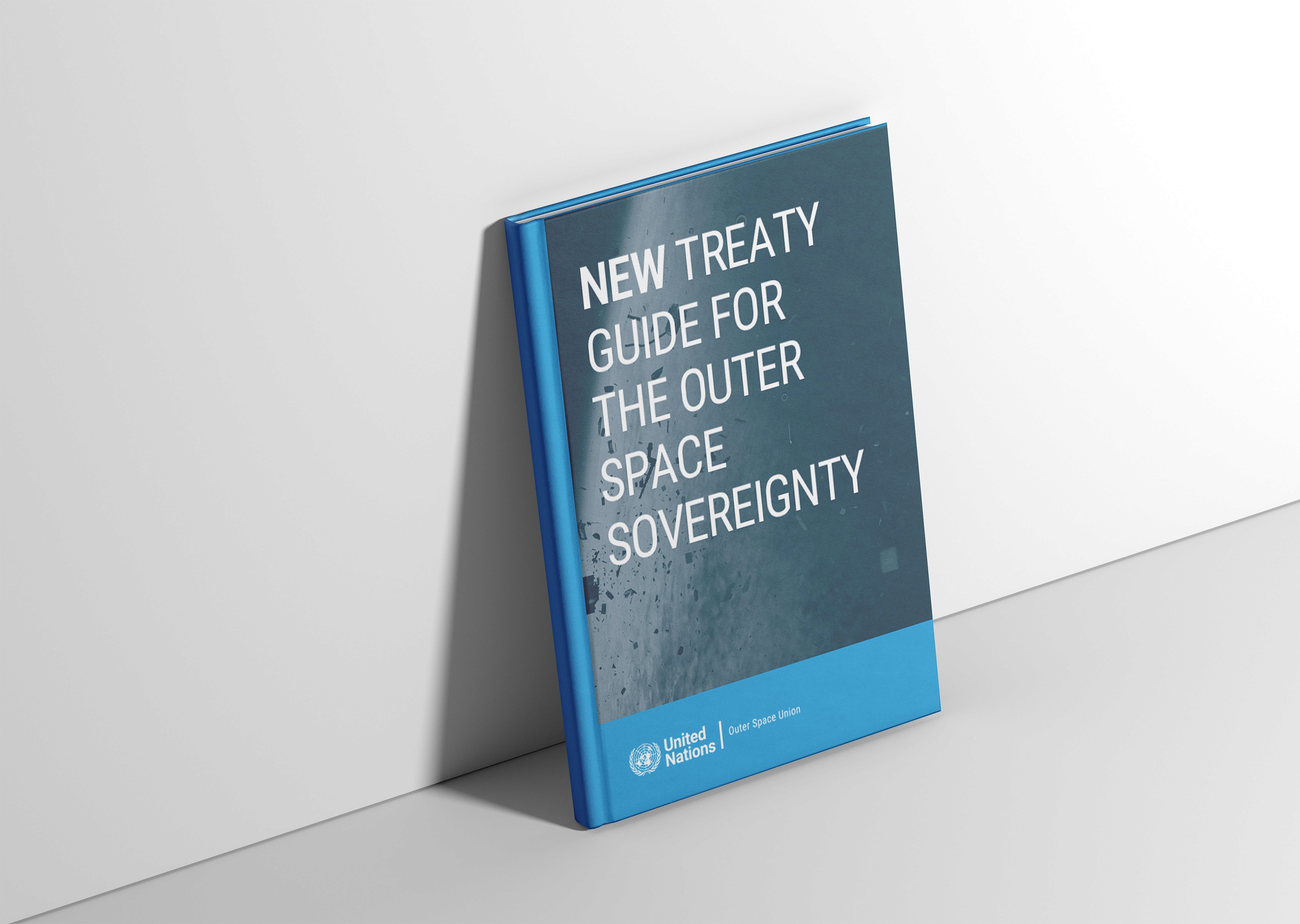
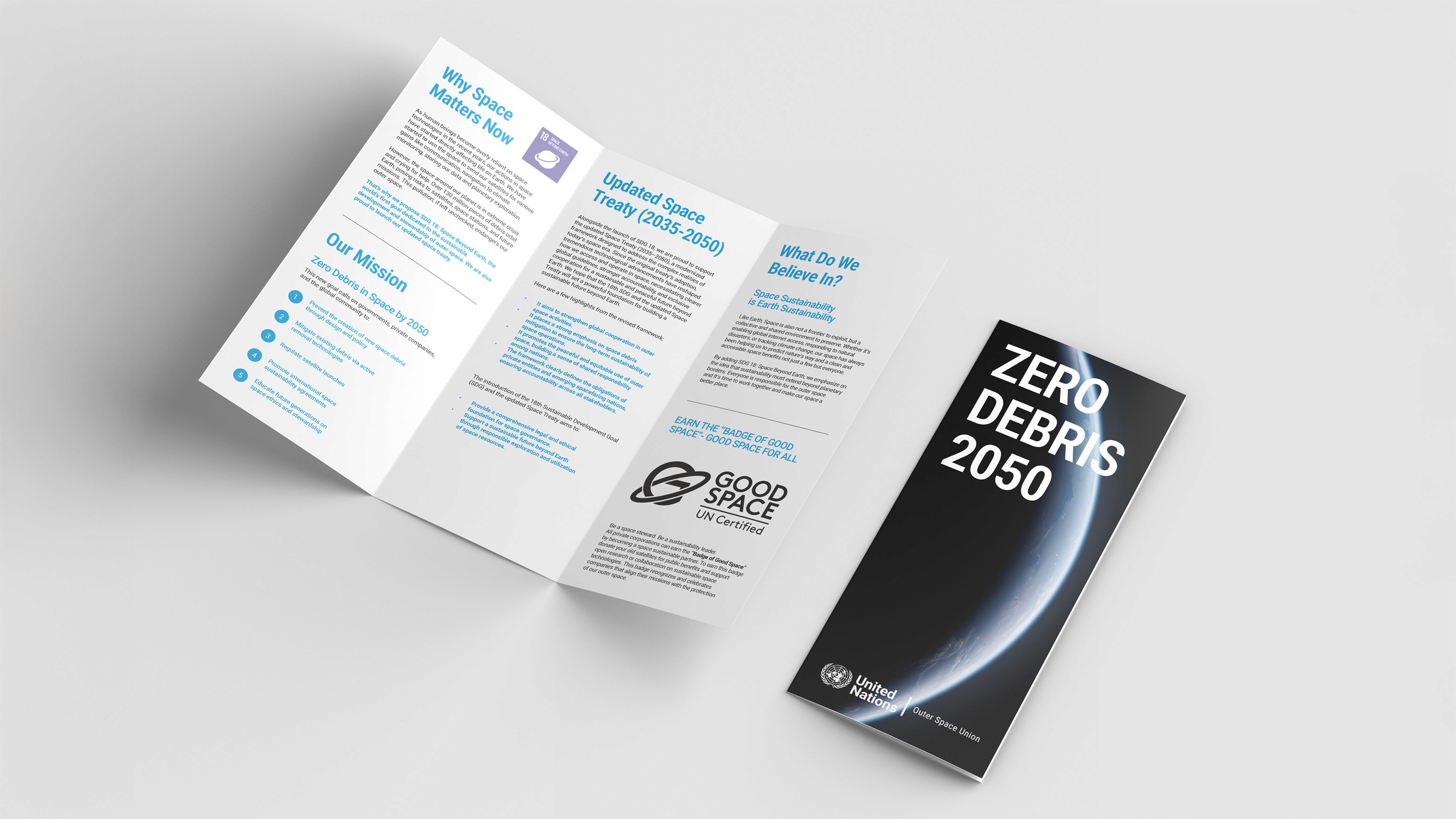
Updated Space Treaty 2035-2050 – Establishing transparent and inclusive decision-making processes
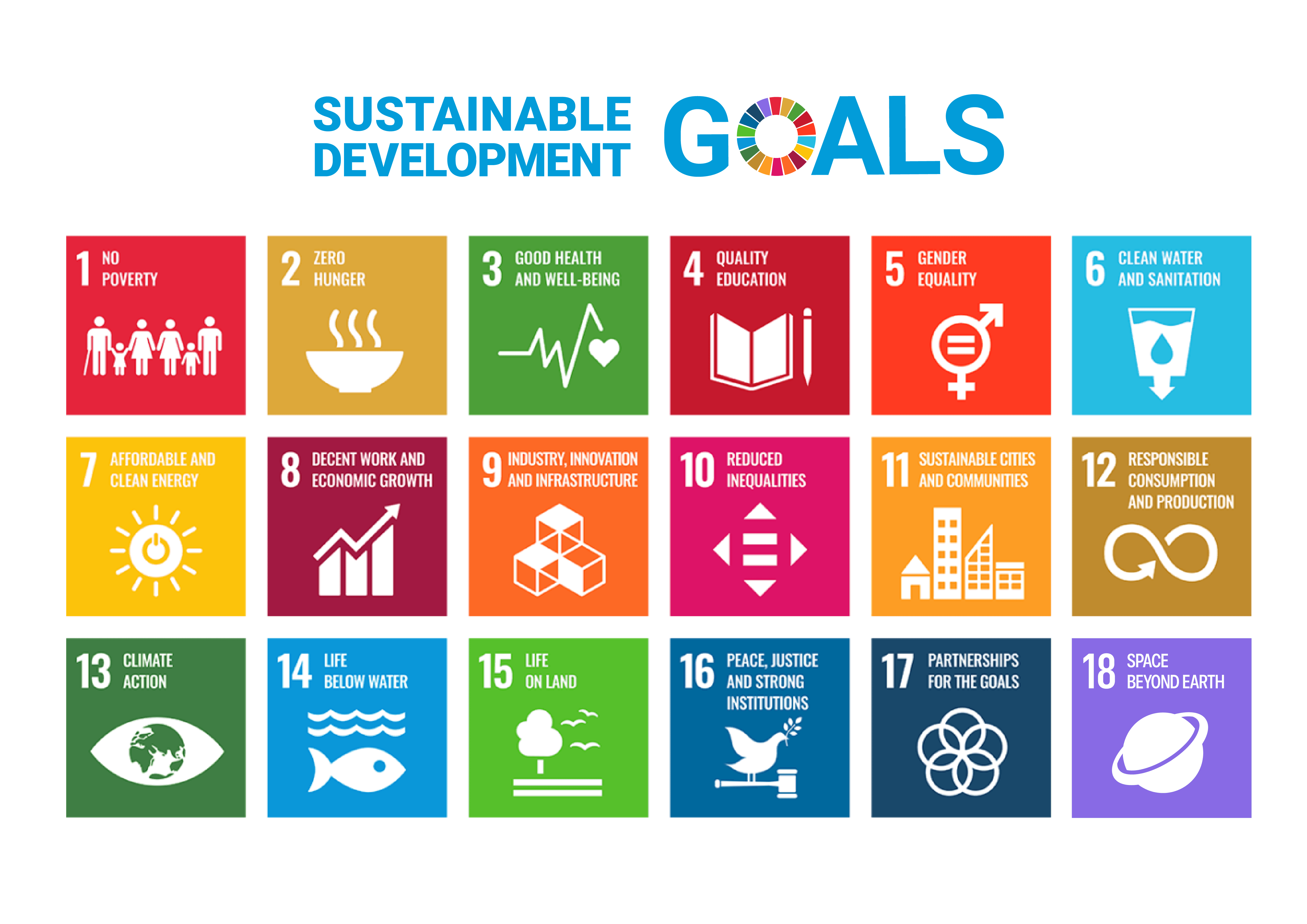
18th Sustainable Development Goal "Space Beyond Earth" – Promoting sustainable outer space development
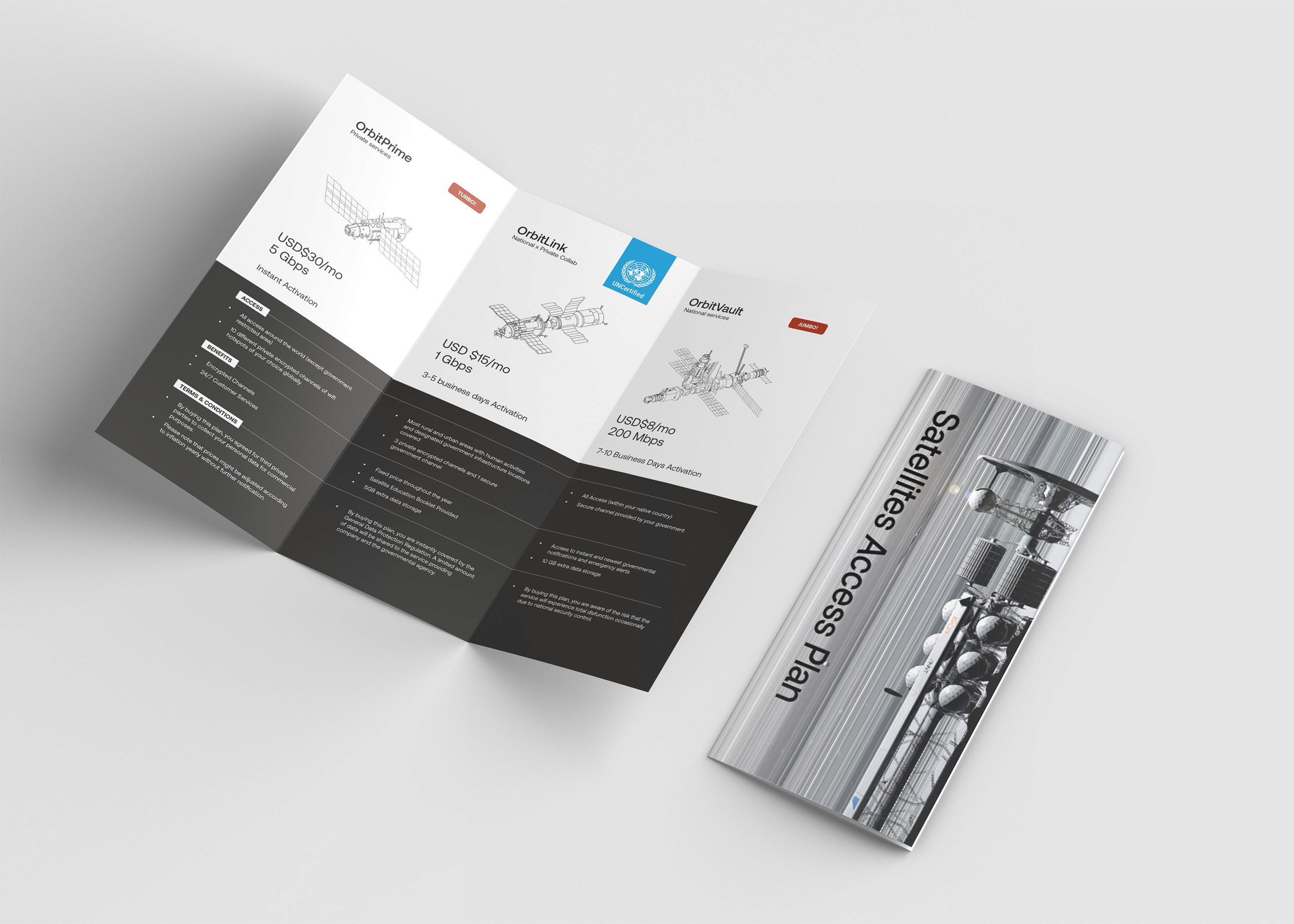
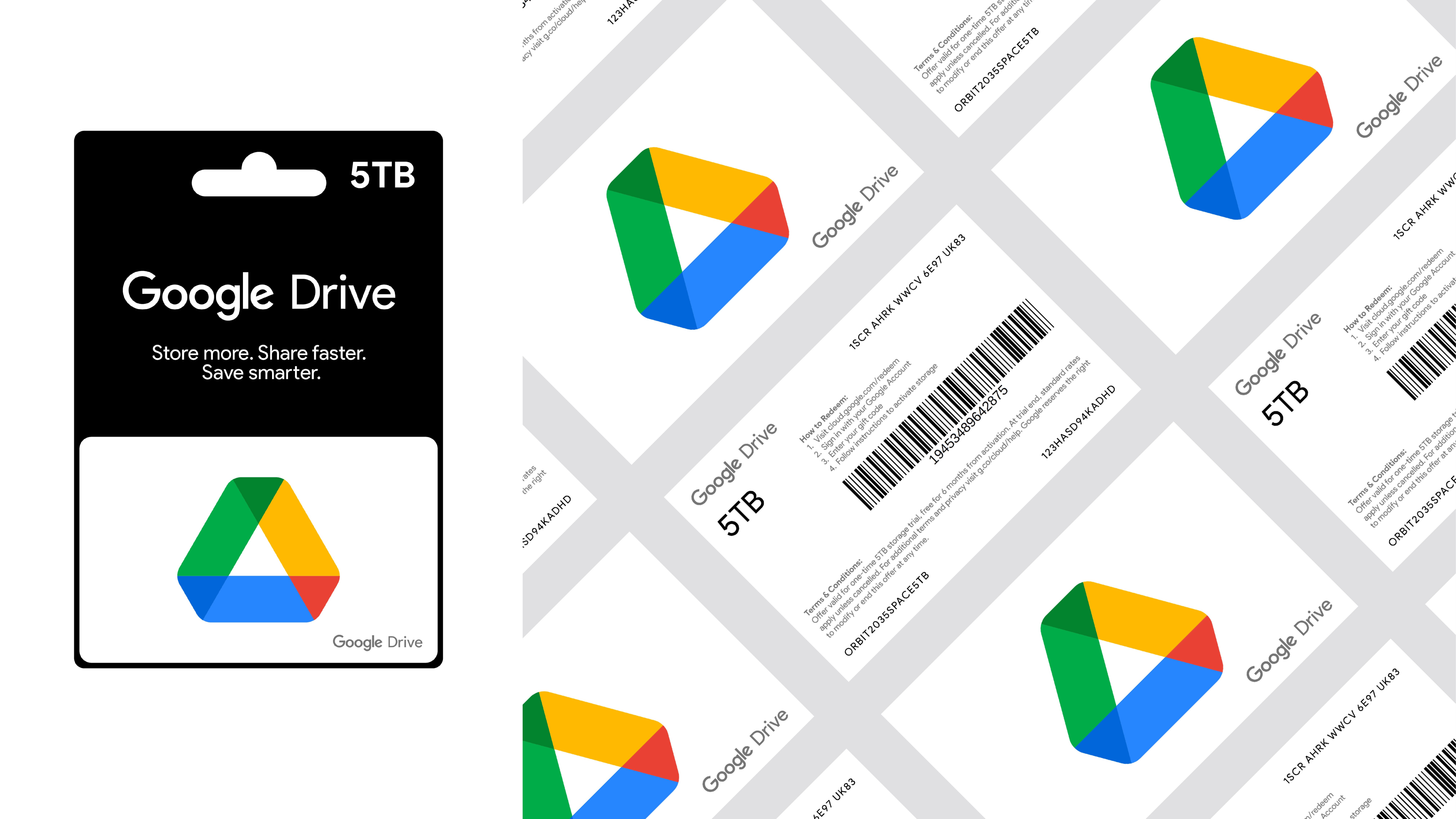
UN Certified Satellite Access Plan – Offering Private, Public, and Public-Private packages to democratise satellite services
This speculative design project reimagines space governance as a collaborative endeavour that serves humanity collectively rather than privileging corporate and elite interests.
Updated Space Treaty
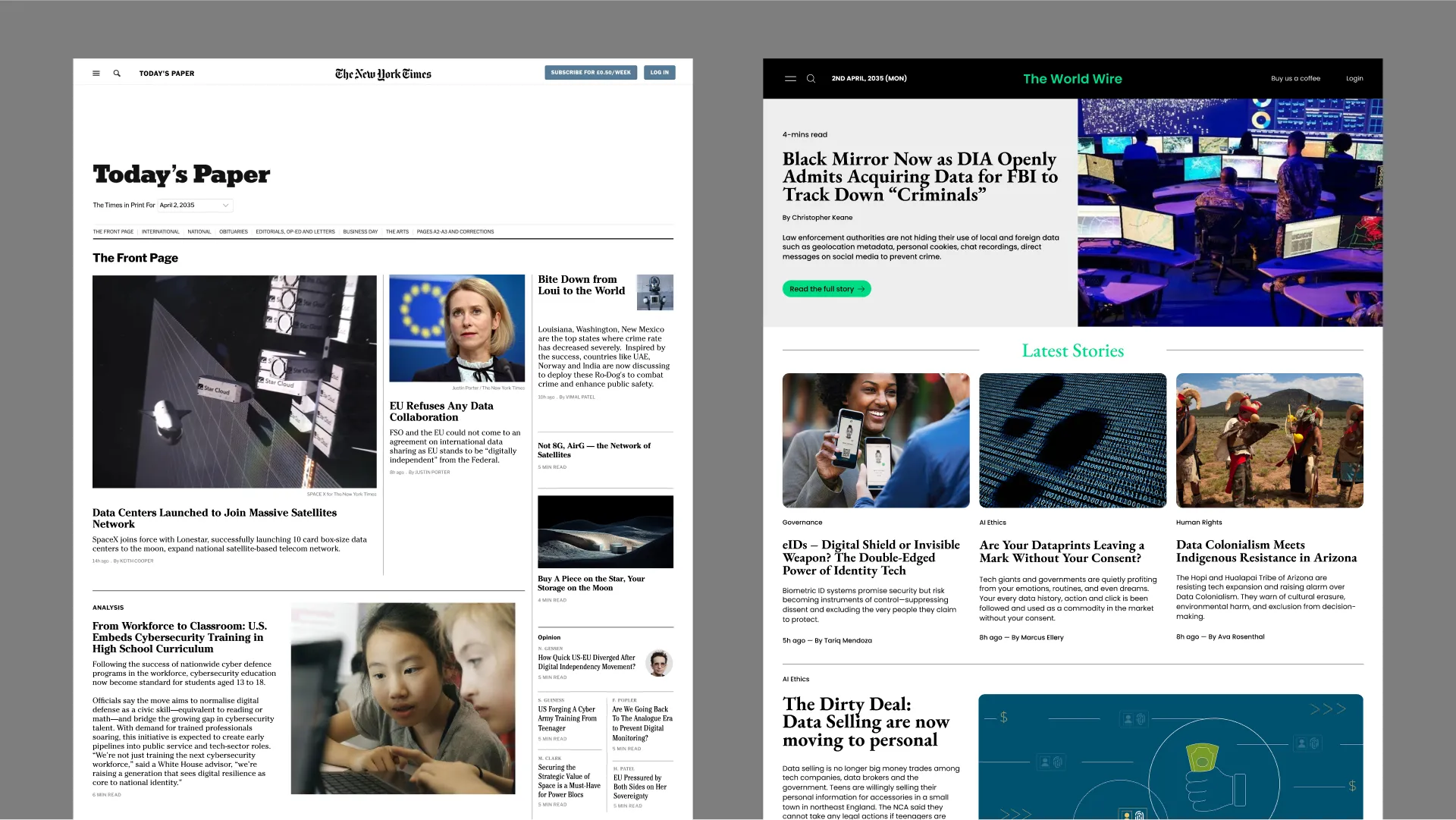
THE CURRENT LANDSCAPE
Based on the trends and signals we have identified in 2025, this is how we imagined the world in 2035...
Outer space is becoming increasingly congested, with a rapidly growing number of private owned satellites, there are raising concerns about space debris, regulatory gaps, and data privacy. As space access becomes more commercialised, exemplified by initiatives like SpaceX’s VisaX programme, the burden of satellite service taxation has shifted to ordinary users, sparking public protests. Meanwhile, the global political climate is marked by polarisation, mistrust in international institutions, and a widening technological divide between the Global North and South. Despite these developments, public awareness and engagement with issues like technological sovereignty and satellite governance remain limited, creating a critical gap in accountability and inclusive decision-making.

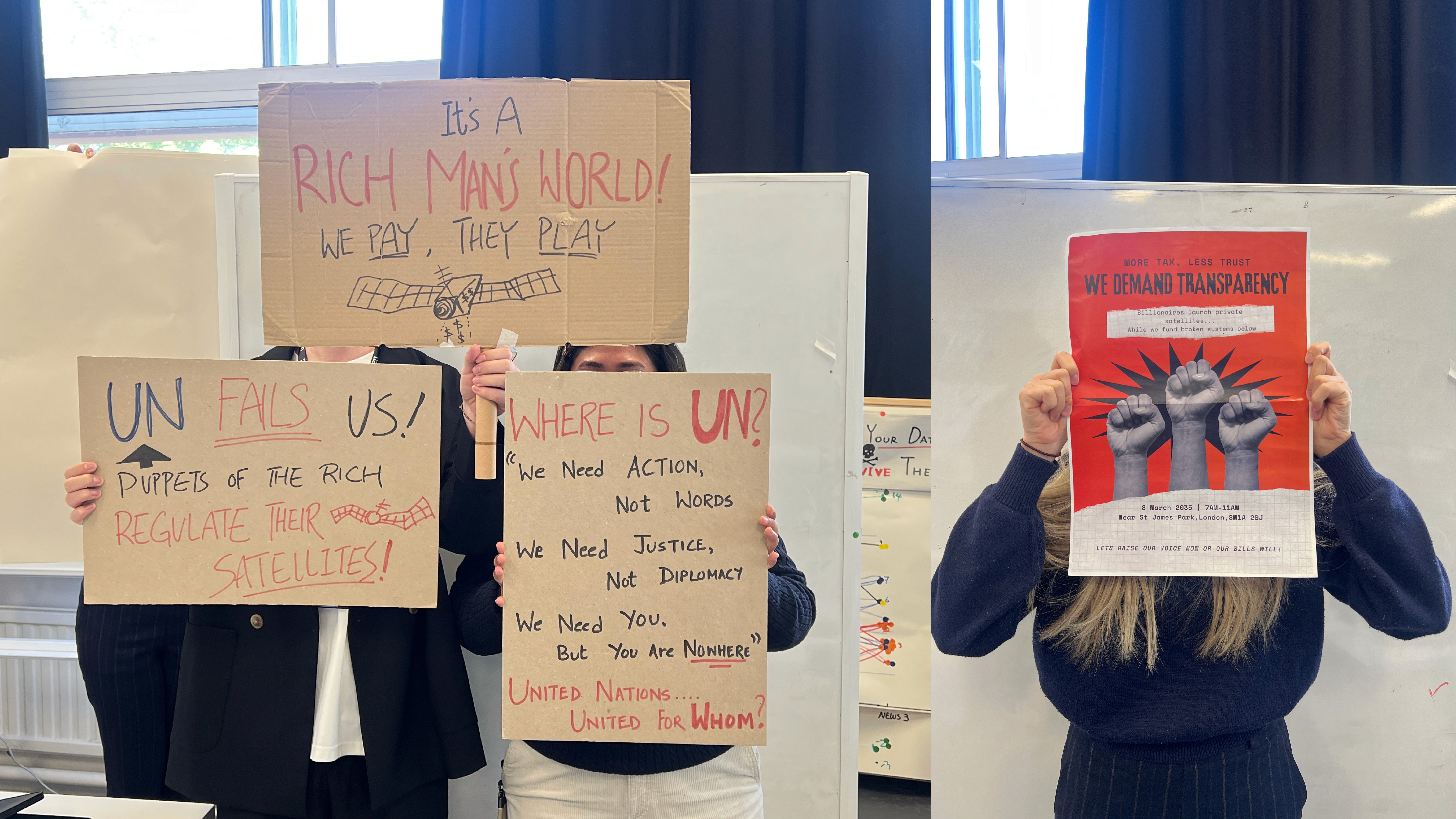

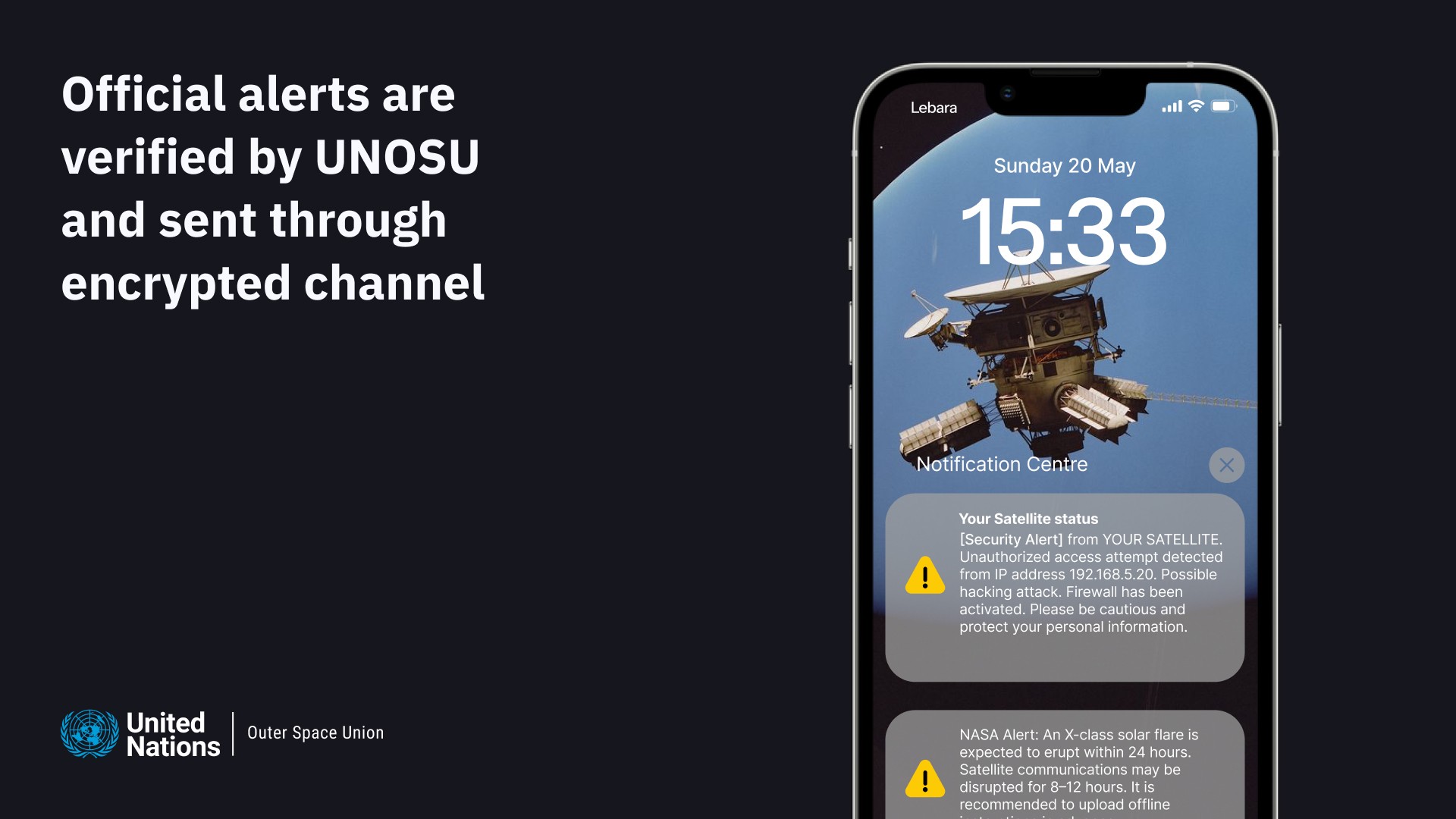
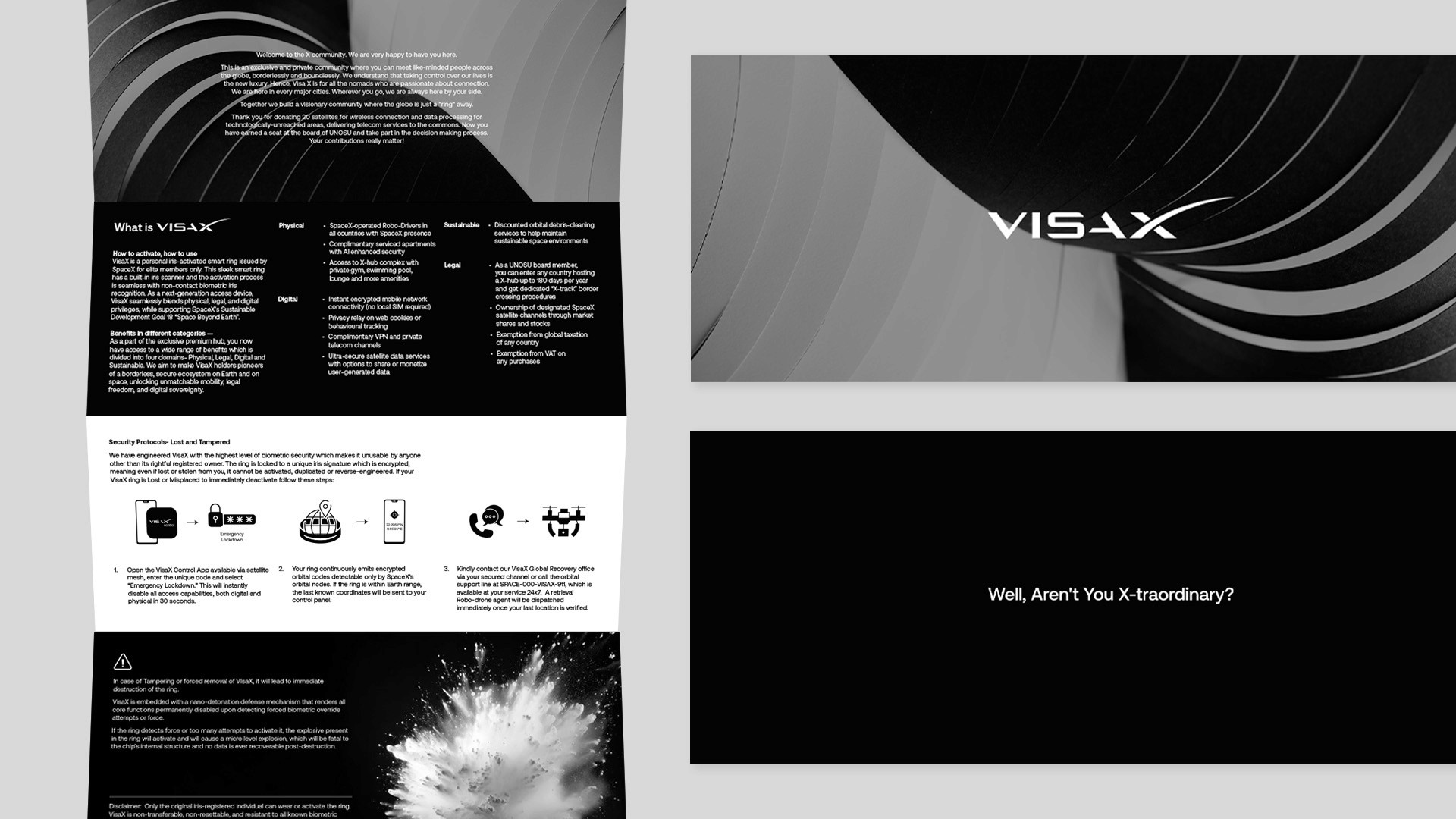

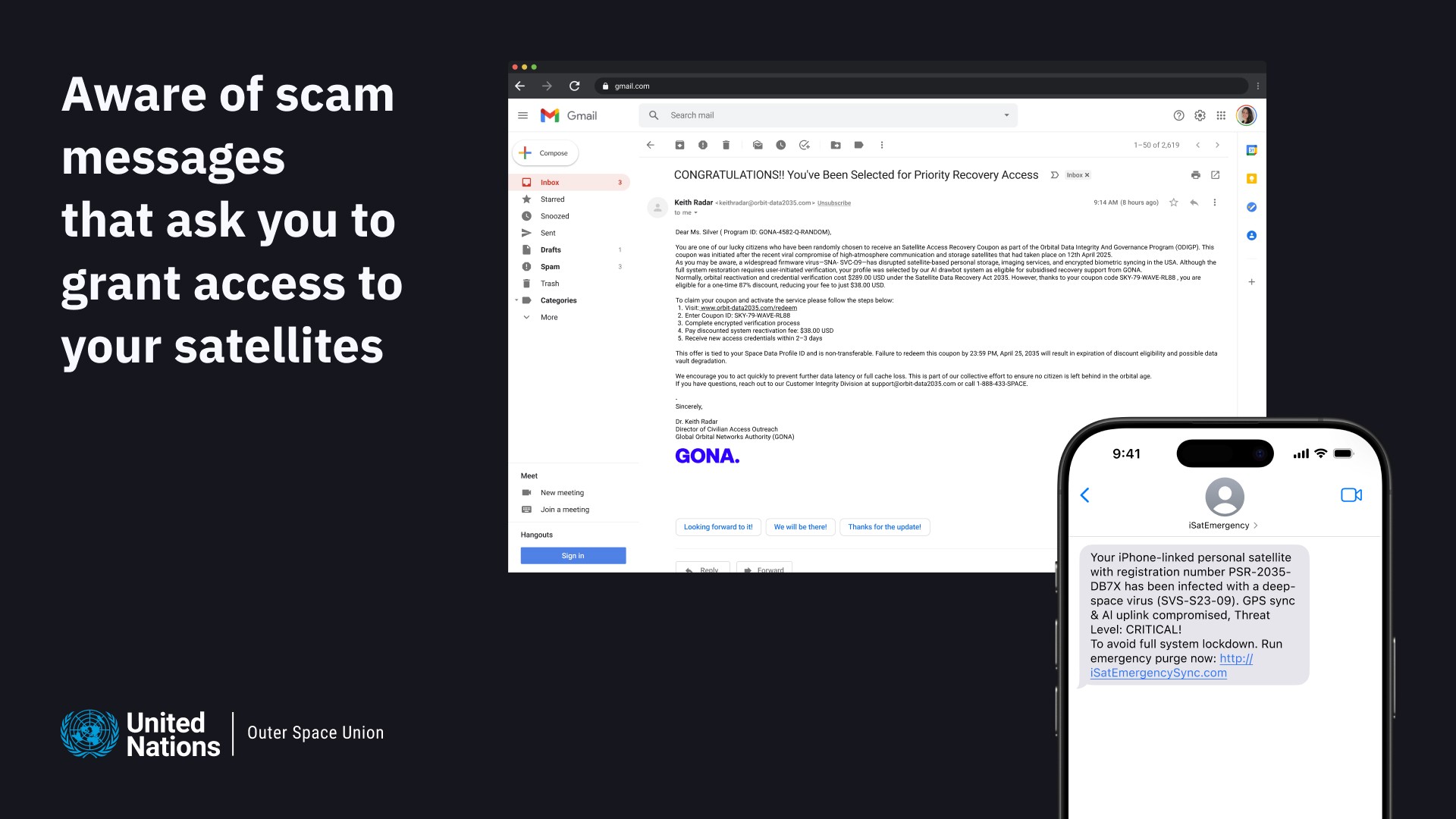
What if technology sovereignty is possessed by the combining power of the private and public sectors?
THE CHALLENGE
The core challenge we faced was how to make this highly complex and abstract topic both accessible and engaging to the public. Satellite infrastructure, data privacy, and space governance are often seen as distant or irrelevant issues by everyday citizens. This lack of awareness leaves room for powerful private companies and governments to dominate decision-making processes with little scrutiny. We needed to find a way to communicate these concerns meaningfully, while also encouraging reflection on alternative governance models. Our task was not just to highlight existing inequalities in satellite access, but to imagine and provoke discussion about more inclusive futures, where technology is governed collectively and responsibly. Balancing the speculative nature of our concept with grounded, plausible world-building was key to ensuring that our provocation felt both imaginative and credible.
THE PROCESS
Embodied futures through role-playing
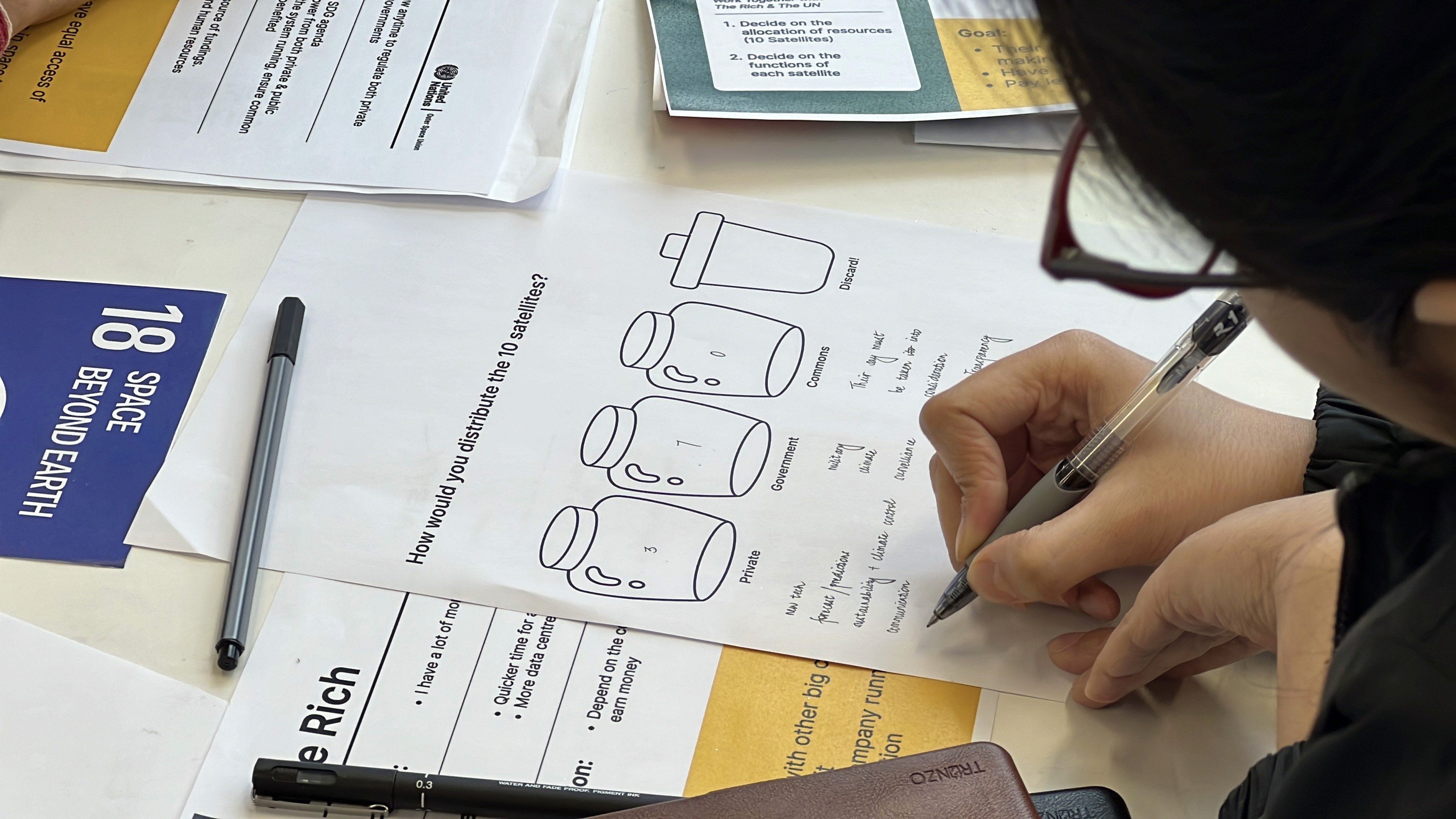
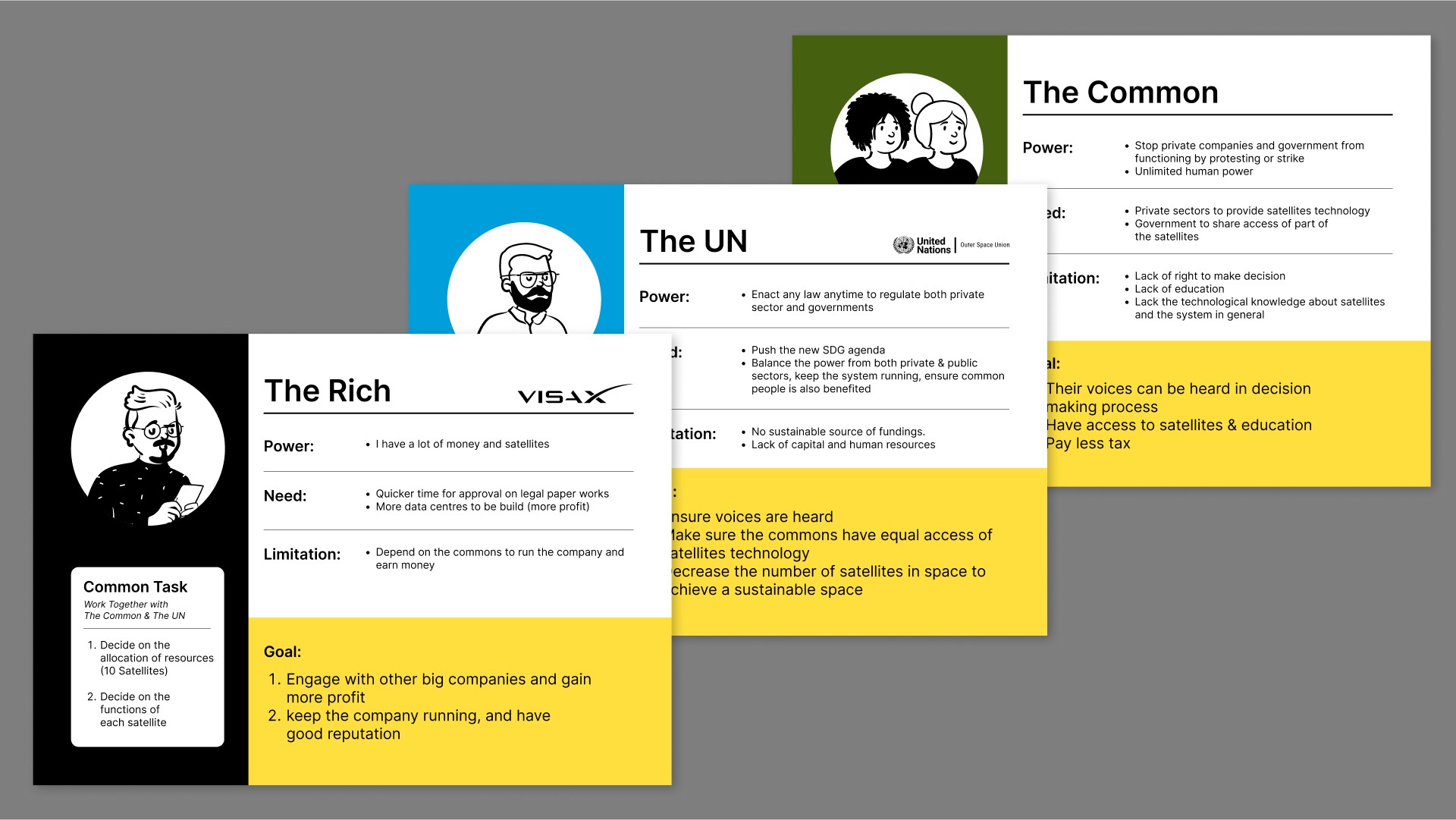
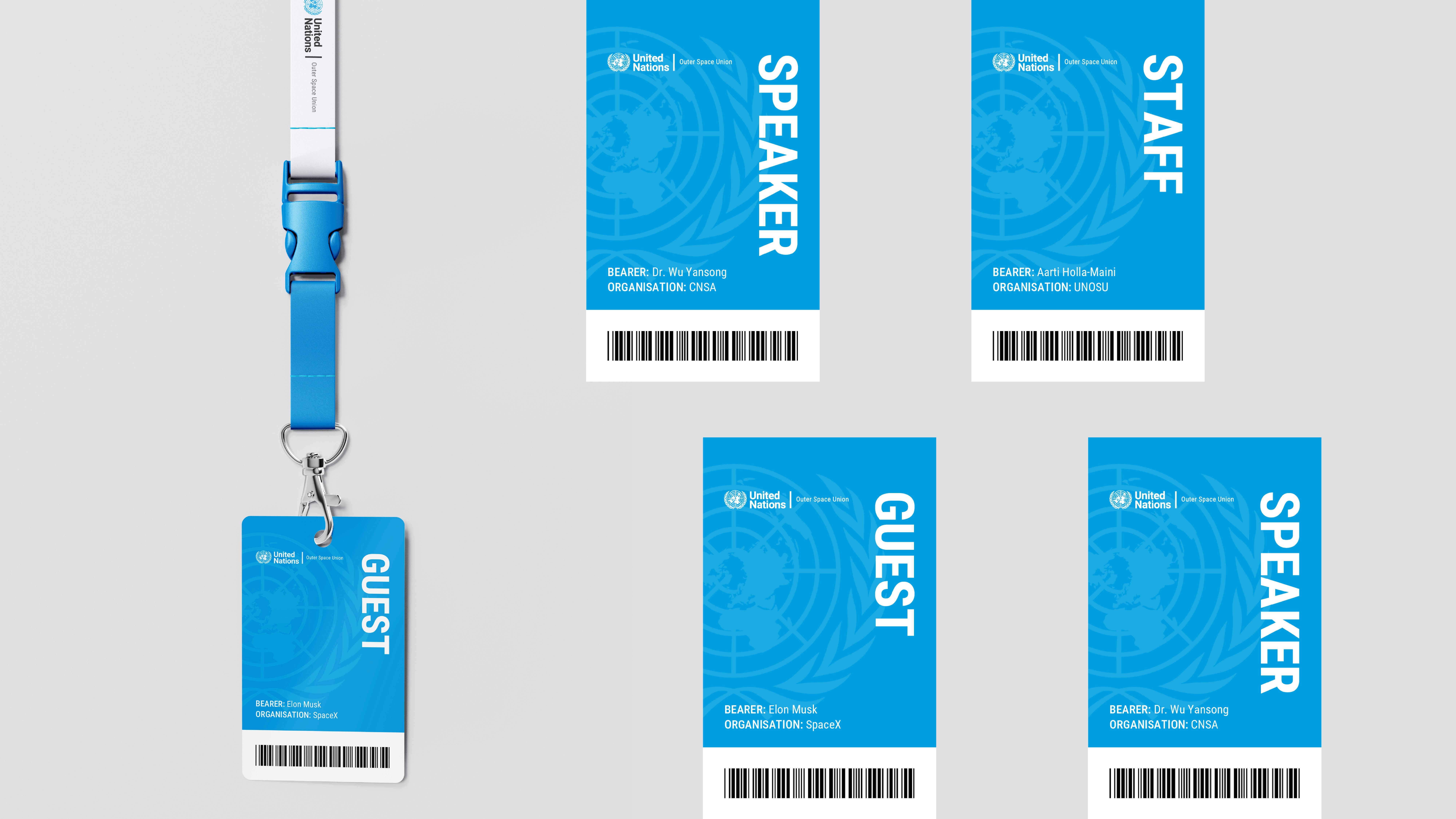
We organised a UN Conference role-play session, where participants adopted one of three fictional power roles: The Rich, The Common, and The UN. They were tasked with negotiating access to space, simulating debates around ownership, power, and regulation. Personas, goals, and constraints were designed to provoke empathy and reveal conflicting values.
Participants actively explored complex themes like taxation, infrastructure sharing, and ethical innovation. Across all groups, a recurring theme emerged: the central concern was not just ownership, but access—emphasising freedom from monopolised control and promoting shared use of satellite infrastructure.

RESULT & IMPACT
Through the development and testing of UNOSU, participants engaged more deeply with questions of space governance and technological sovereignty, and began to see the implications of satellite access and data control as urgent societal issues rather than distant concerns. The experience helped bridge the gap between the privileged and the commons, allowing participants to reflect on their own stake in the future of space.
The project demonstrated that speculative design, when grounded in participatory methods, can successfully provoke discussion, foster empathy, and make complex sociotechnical futures feel relevant and actionable.
Next Projects

